+86 188-1951-9629
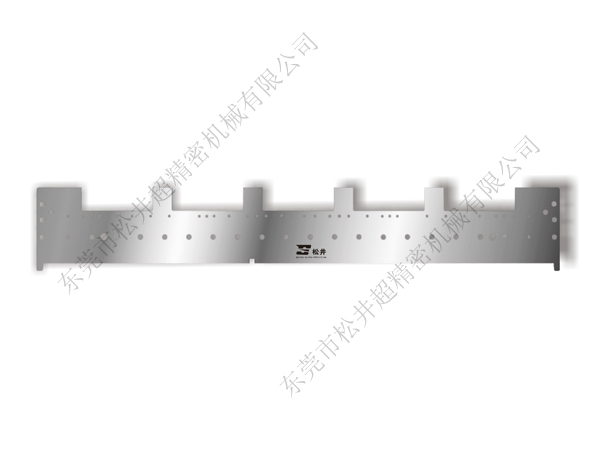
The primary driving force behind the development of die shims for plastic profile sheet extrusion molds has been the rise and growth of the plastic profile window and door industry. To this day, plastic windows and doors remain the dominant products manufactured using these die shim-equipped extrusion molds. Common die shim shapes include the "bullet-shaped" (or streamlined) design, and standardized components of this type are readily available on the market. Under the premise of ensuring service performance—including mechanical, physical, electrical, chemical resistance, and thermal properties—the design should strive for structural simplicity, uniform wall thickness, and ease of use.
What is the significance of mold standardization?
Answer: It frees designers from repetitive routine tasks, allowing them to focus on innovative design and tackle key technical challenges in mold engineering. It enables the adoption of advanced technologies such as CAD/CAM, improves both mold design and manufacturing quality, shortens mold production cycles, reduces costs, and conserves metal materials.
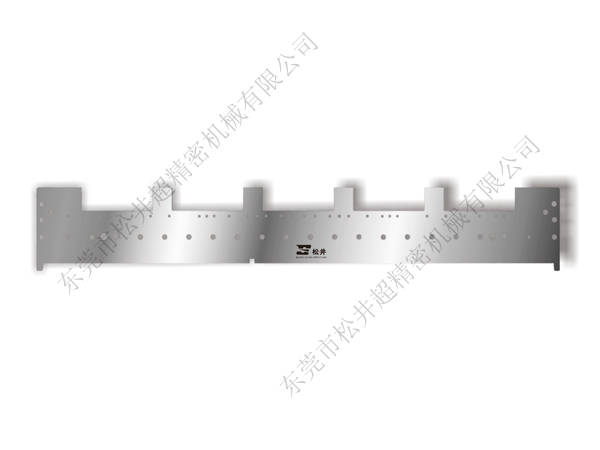
Die shim molds for plastic sheet/profile extrusion—also known as extrusion dies or die heads—are used to continuously produce plastic products with fixed cross-sectional shapes. They are widely employed in the manufacturing of pipes, rods, monofilaments, sheets, films, wire and cable insulation layers, and custom profiles.
Key properties of ABS include:
– Excellent mechanical properties and high impact strength, even at very low temperatures;
– Good abrasion resistance and dimensional stability;
– Oil resistance;
– Insoluble in water, inorganic salts, alkalis, and most acids—but soluble in ketones, aldehydes, and chlorinated hydrocarbons;
– Susceptible to stress cracking when exposed to glacial acetic acid or vegetable oils;
– Relatively high moisture absorption, requiring drying prior to processing.
In some mold designs, the gate and runner are angled and潜入 (submerged) beneath the parting line. The runner solidifies and is then ejected by an ejection mechanism, automatically separating from the molded part—eliminating the need for a separate gate-trimming operation.
These fundamentals are essential knowledge for beginners. If this content is used as introductory training material for technicians and sales personnel specializing in plastic profile extrusion die shims, it is indispensable as a foundational course.
Moreover, advanced technologies such as electronic computing, high-frequency heating, microwaves, infrared radiation, ultrasonics, radioactivity, and lasers are increasingly applied in modern plastic forming processes. Due to the inherent characteristics of molds, many modern mold-making enterprises now rely heavily on highly skilled labor. However, there remains a common misconception that simply acquiring large quantities of imported, high-end equipment alone guarantees the production of high-quality, precision molds.