+86 188-1951-9629
Die head repair, transfer coating, and slot-die extrusion coating are known for their high precision and strong process adaptability, primarily reflected in the following aspects:
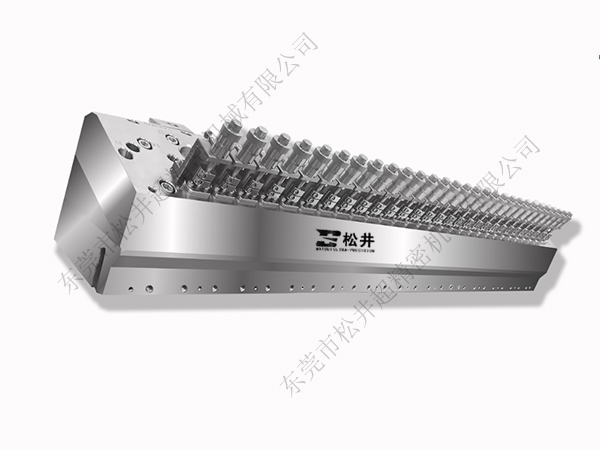
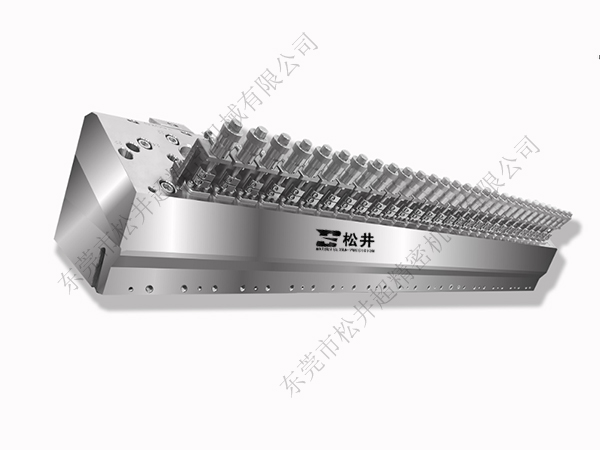
The feed system of a slot-die coater is fully enclosed—keeping the slurry isolated from the external environment until it is applied onto the foil substrate. The slurry reservoir features a double-layer insulated structure, minimizing the impact of ambient temperature fluctuations on the slurry. This ensures excellent consistency in the coated product. In contrast, in transfer coating systems, the slurry is fully exposed to air. Even with a “sealed” reservoir, the seal is only partial and遮蔽-style (shielding-type), and the slurry on the coating roller cannot be sealed at all. As a result, the slurry readily absorbs moisture and contaminants from the air, leading to degradation, sedimentation, and viscosity changes—compromising coating uniformity. Additionally, slurry at the doctor blade edge in transfer coating easily absorbs moisture, forms agglomerates or particles, and causes coating scratches; in severe cases, this results in overall coating weight deficiency.
By comparison, the die lips of a slot-die coater are extremely thin, and the slit gap is very narrow. More importantly, the slurry is fully transferred onto the substrate before any exposure to air, preventing agglomeration or premature curing. Slot-die coating can easily achieve complex patterns such as “zebra stripes” or “grid (checkerboard)” layouts—requiring only custom-designed die shims. Transfer coating, however, struggles greatly to realize these patterns. Even if attempted via “scraping” methods, it falls far short of slot-die coating in terms of precision control and ease of changing pattern dimensions.
In transfer coating, the coating roller rotates to carry slurry, and the amount transferred is regulated by the gap between the comma blade and the roller. The slurry is then transferred onto the substrate through the synchronized rotation of the coating roller and the backup roller. Thus, roller-based transfer coating involves two fundamental steps: (1) the rotating coating roller carries slurry through the metering nip to form a uniform slurry layer of controlled thickness; (2) this slurry layer is then transferred onto the foil substrate via counter-rotating coating and backup rollers to form the final coating.
Slot-die extrusion coating is a highly precise wet-coating technique. Its working principle involves extruding coating fluid through a narrow slit in the die under controlled pressure and flow rate, directly transferring it onto the substrate. Compared to other coating methods, it offers numerous advantages: high coating speed, exceptional precision, uniform wet-film thickness, and a fully enclosed system that prevents contamination during coating. It also achieves high slurry utilization efficiency, maintains stable slurry properties, enables simultaneous multi-layer coating, and accommodates a wide range of slurry viscosities and solid contents—making it significantly more versatile than transfer coating processes.