+86 188-1951-9629
Recent theoretical and practical research—aimed at characterizing the flow behavior of extrusion slot-die coating heads—has leveraged material data and flow modeling to significantly improve our understanding of the processes occurring within these dies. The extrusion slot-die coating head transforms the typical circular molten polymer stream supplied by the extruder into the desired product cross-section. Thus, while the plastic is in its molten state, the fundamental shape of the semi-finished product is already defined by the die. Since the process involves pressure drop, the die also directly influences the relationship between extruder pressure and output rate. These two components—the extruder and the die—must be as closely matched as possible, because their interdependence affects not only the quality of the extrudate but also the overall economic efficiency of the entire extrusion line.
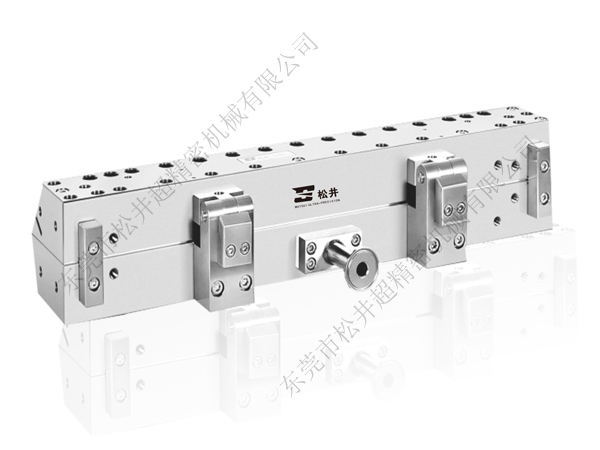
Operators who work with extrusion slot-die coating heads are typically trained professionals. Before being assigned to operate the equipment, they undergo specialized training on extrusion slot-die handling and operation. This requires operators to possess a solid foundation of technical knowledge. Below are key points that every operator must thoroughly understand and remember.
Generally speaking, the extrusion slot-die coating head is one of the most valuable and high-precision components in an extrusion line. In addition to requiring careful handling, it demands extensive maintenance. To prevent unexpected downtime caused by die failure, correct operating procedures and protective measures must be strictly followed to ensure the die remains ready for use at all times. Human error—especially carelessness or mistakes during maintenance, cleaning, or adjustment—is the leading cause of die damage. Therefore, all personnel who interact with the die must receive rigorous training. Operators must fully understand the die’s functions, know how temperature variations and adjustments of die lips or tuning rods affect product quality, and be able to identify potential sources of defects. They must also recognize the importance of maintaining good thermal contact between heaters and the die body, and be capable of diagnosing whether a fault exists on the production line—and if so, where it is located.
When operators are thoroughly familiar with the above operational knowledge, they can perform their duties effectively. Moreover, in the event of sudden malfunctions or unexpected issues, they will be able to respond promptly and appropriately. Performing routine maintenance diligently also helps extend the service life of the extrusion slot-die coating head—skills and responsibilities that every qualified operator must possess.