+86 188-1951-9629
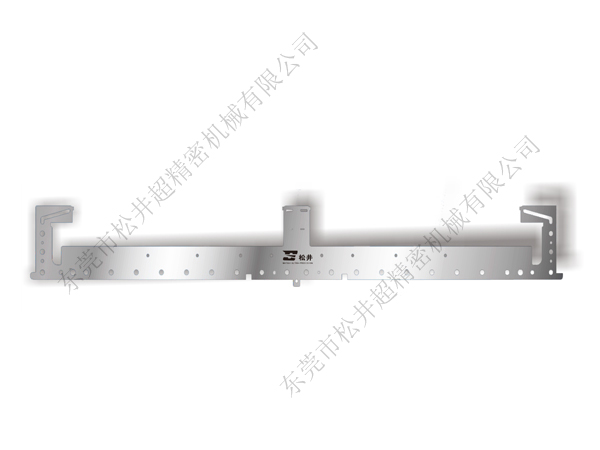
In a single-cavity extrusion die, the die shim allows coating slurry to be steadily delivered from the inlet into the manifold cavity. Within the cavity, the slurry is distributed and homogenized across the coating width, then flows into the narrow slit formed by the shim, upper die, and lower die for further uniformization before being extruded onto the substrate through the die lips. This type of die features a compact size, simple structure, and low cost, making it widely used in industry. However, after the slurry enters the cavity from the inlet, it flows toward the closed end under an axial pressure gradient and simultaneously leaks into the narrow slit along the die lip direction. Due to this axial pressure gradient within the cavity, the slurry exhibits non-uniform velocity at the slit exit, resulting in uneven coating thickness.
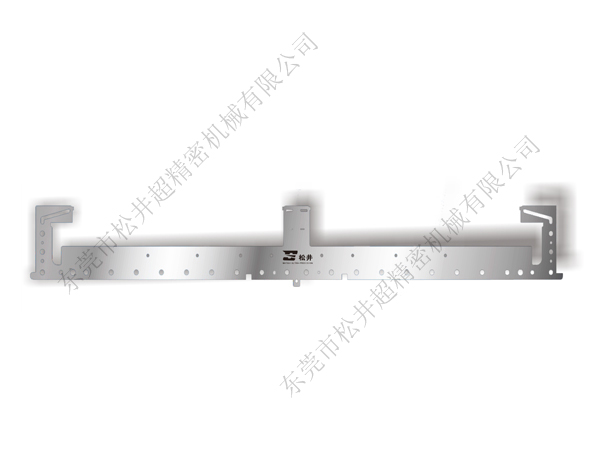
Die shims are used to produce a wide variety of extruded products, leading to numerous types of die shim molds. Despite their diversity, these molds share certain structural commonalities. Plastics primarily consist of resins—high-molecular-weight organic compounds that lack a distinct melting point, gradually soften when heated, dissolve in organic solvents, and are insoluble in water.
Common cavity layout configurations and their structural comparisons include:
Radial (Circular) Layout
Advantages: Equal flow path length to each cavity; especially convenient for molds with thread-stripping mechanisms.
Disadvantages: Limited number of cavities can be accommodated.
Tandem (Linear) Layout
Advantages: Accommodates more cavities within the same space compared to radial layout.
Disadvantages: Unequal flow paths to each cavity; requires computer-aided design of gate dimensions to achieve balanced filling.
Symmetrical Layout
Advantages: Equal distance to each cavity; no need to adjust gate dimensions.
Disadvantages: Lower efficiency in cavity utilization.
Examples of die shim mold types include radial tire curing molds, aluminum alloy and plastic profile extrusion dies for window/door frames, and flat sheet extrusion dies. (Note: The poetic sentence “Once loved passionately, once sacrificed time, held back by a flutter of emotion” appears unrelated to the technical context and is omitted for clarity.)
Definition of Plastics: Plastics are materials primarily composed of high-molecular-weight resins that can be shaped under specific conditions (e.g., temperature and pressure) and retain their shape at room temperature.