+86 188-1951-9629
With the rapid advancement of modern manufacturing technologies, an increasing number of high-tech products have been put into practical use. Equipment such as foam coating machines, protective film coaters, and dual-axis slitting machines are all outcomes of technological innovation. These not only provide strong support for modern processing but also significantly enhance overall operational efficiency and economic benefits. To help more people understand the operational requirements of foam coating machines, we’ll briefly outline key considerations for their practical application below.
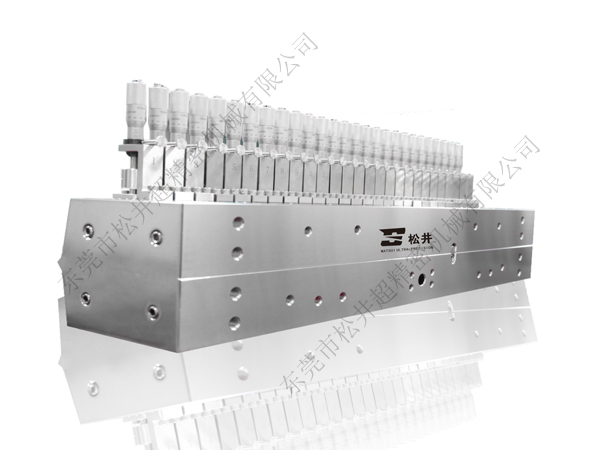
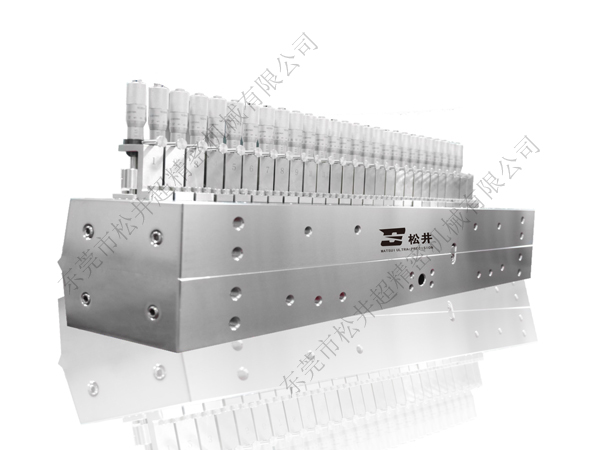
The coating process window is a critical parameter in slot-die coating. In actual production, coating defects occur when process parameters fall outside this operational window. There are numerous types of coating defects with various root causes. This article focuses on slot-die extrusion coating for lithium-ion batteries and analyzes several common defects, along with corresponding solutions. Typical defects include spot defects, edge effects, and serrated (or "sawtooth") defects.
During coating, a frequent issue is thicker edges and a thinner center—commonly known as “edge bead” or “thick edge.” This phenomenon results from surface-tension-driven material migration. Initially, the wet film is thinner at the edges, causing faster solvent evaporation there compared to the center. This rapid evaporation increases solid content at the edges, significantly raising their surface tension relative to the center. The higher surface tension at the edges, combined with faster solvent loss, drives liquid from the interior toward the edges. After drying, this results in a thickened edge profile.
When operating mechanical equipment, stability is a primary concern for die head repair service providers of coating machines. While many focus solely on whether the product can be shipped successfully, a truly high-quality machine must offer stable performance—not only during initial delivery but also in seamless integration and adaptability within the entire production system. A well-designed system ensures consistent, precise, and uniform adhesive/coating dispensing, is resistant to damage and overheating, features a compact structure with a small footprint, allows easy installation and mobility, and requires minimal maintenance. Additionally, high-pressure automatic purging technology enhances equipment longevity—extending service life up to 20 years—with excellent structural rigidity, resistance to unintended reverse operation, and improved reliability.
Owing to factors such as corrosion, aging, and mechanical vibration, coating machines often suffer damage to concrete foundations and other structural components, leading to loosening of mounting bolts and severely disrupting production. Traditional repair methods involving concrete re-pouring result in prolonged downtime, which most enterprises find unacceptable. Advanced polymer composite materials—such as those in the Mejiawa (Megawa) technical system, which is now widely adopted—offer an effective solution. These materials exhibit excellent adhesion and compressive strength, enabling on-site, non-invasive repair of worn coating machine components. Moreover, their inherent compliance (lacking the brittleness of metal) effectively absorbs impact and vibration, preventing secondary wear.
Similarly, when concrete bases are damaged due to corrosion, aging, or vibration, high-performance polymer composites provide a superior alternative to conventional concrete. These materials offer far greater impact and compressive resistance than standard concrete, bond strongly to steel and rough surfaces, and cure rapidly—representing a cutting-edge scientific advancement in die head repair and foundation restoration.