+86 188-1951-9629
We’ve talked so much about dies—mostly focusing on types, cleaning methods, or detailed descriptions of specific subtypes—but we’ve never really covered the fundamental basics of dies alone. So, let’s take a moment to clear up some common misconceptions and provide a general overview. In fact, dies are widely used across many industries and are essential components in forming machinery. A high-quality die is durable, easy to use, and produces aesthetically superior products. At Tengcheng, we specialize primarily in plastic dies. Below is a concise introduction to dies.
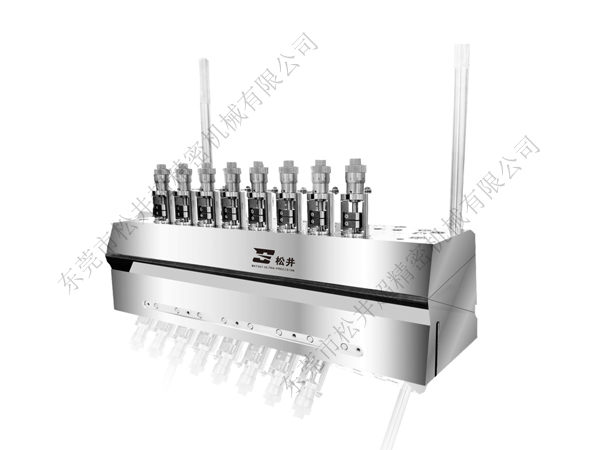
Extrusion dies are typically made of steel, which must be pressure-resistant, heat-resistant, wear-resistant, and chemically corrosion-resistant. The material should also possess sufficient toughness and surface hardness, be easy to polish and plate, exhibit minimal distortion during heat treatment, have good thermal conductivity, and remain stress-free. Commonly used steels include carbon structural steel, carbon tool steel, alloy structural steel, and alloy tool steel. Manufacturing methods include mechanical machining, electro-discharge machining (EDM), and high-energy electron beam processing.
Disassembly, cleaning, maintenance, and servicing of coating dies must be performed at a designated area—away from the production floor—that is clean and equipped with corrugated sheet padding. A small crane should be available for handling; when manually lifting, the chains of block-and-tackle systems often scratch or damage the die. To avoid this risk, consider using hemp ropes instead. The work area should also be stocked with various tools (screwdrivers, torque wrenches, spanners), soft scrapers (made of bronze, copper, or soft aluminum), cleaning and polishing materials, and ideally, a die preheater—which can significantly reduce die changeover time. Inspection of heaters is also essential. Such a preheater should be equipped with an adequate number of heating cables and a control system. While individual heater control for each die isn’t always necessary, it may depend on the die size.
If a coating die requires thorough cleaning, loosen the main bolts—but do not remove them entirely. Keep the die attached to the extruder and only loosen components related to the flow channel.
Traditional manual cleaning of coating dies yields excellent results. Although labor and time costs are relatively high, the method is low-cost. We also use wire brushes to clean screws and barrels: by removing the screw from the machine, it can be thoroughly cleaned within about two hours. We’ve tested chemical detergents, but their effectiveness was mediocre and offered little practical value—product compatibility must always be considered. Laser cleaning is an environmentally “green” method that uses no chemicals or cleaning liquids; the removed contaminants are primarily non-mechanically bonded solids. This technique is already used extensively in the aerospace industry for cleaning mechanical parts, including oil-based residues from machined components. Triethylene glycol (TEG) cleaning is commonly applied in polyester plants during pipeline changeovers. After cleaning coating die pipelines with TEG, they are flushed with water and purged with compressed air—a complete and effective cleaning process suitable for nearly all types of mechanical piping.