+86 188-1951-9629
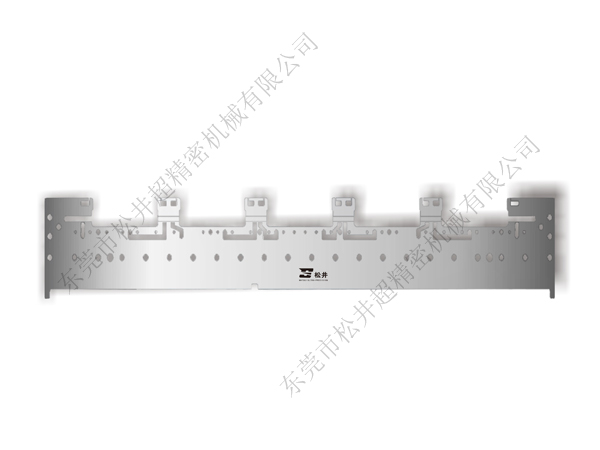
Die shims are a type of component in the die series, primarily suitable for sheet materials. But which specific types of sheets are they compatible with, and in which industries can the processed sheets be applied? They are widely used in industrial construction, LCD TVs, computers, smartphones, automotive, aerospace, and other fields. Understanding the application scope of sheet dies is essential—only the appropriate die can produce high-quality products. Using an incompatible die not only risks damaging the die itself but also prevents the final product from meeting required specifications during processing.
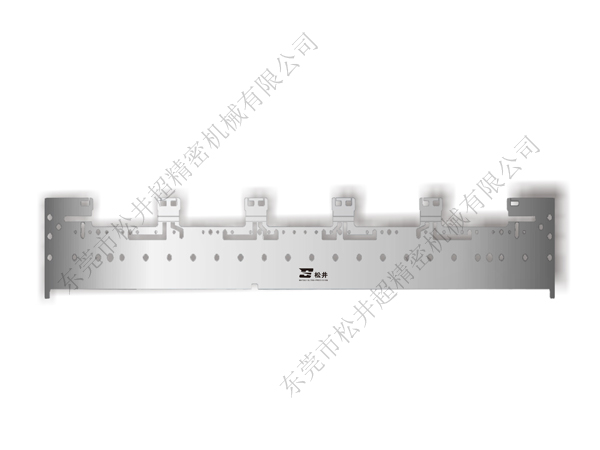
After operation, some residue may remain on the die shim. To extend the die’s service life, regular maintenance is crucial—and daily upkeep should not be neglected. So, how should die shims be maintained? Below are key maintenance guidelines: First, during disassembly, avoid impacts or scratches. Also, ensure the die is not exposed to water during removal, and handle it gently and steadily. For routine care, apply a suitable maintenance agent to clean and protect the surface. Additionally, implement anti-rust treatments to prevent corrosion. Other protective measures include periodic rust removal, timely replacement of die shims, application of lubricants, and adherence to other relevant precautions. Dies are critical components—poor die condition directly affects both work efficiency and product accuracy. Therefore, users must perform regular maintenance and care when operating dies.
During operation of a cast film line, the material flows through the die channel and forms a continuous film that is extruded outward. The drive unit connected to the shafts is activated, causing the two shafts to rotate in opposite directions along the direction of film conveyance. The rotational speed of these shafts matches the film output speed of the cast film line. Die buildup adhering to the shaft surfaces is carried into the scrap collection box by the rotating shafts and scraped off by a blade. Simultaneously, the hot compressed air system and die buildup collection system are activated: the air nozzle from the hot compressed air system blows the scraped-off buildup from the blade into the scrap collection box, and the collection system then vacuums the buildup from the box into a dedicated collection container.