+86 188-1951-9629
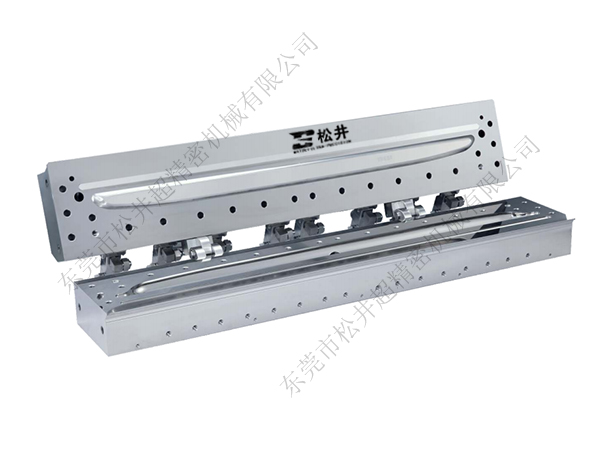
The working principle of the coating die used in automatic screen printing plate-making coaters is fundamentally the same, though its specific functions may vary depending on the machine model and manufacturer. On a vertical frame, screen coaters are equipped with devices capable of securely clamping screen frames. Horizontally positioned in front of and behind the screen area is the coating mechanism, which consists of a coating trough along with mechanical or pneumatic components that control the angle and pressure of the trough. Both ends of this coating mechanism are mounted on the vertical support arms of the coater’s die head. It moves vertically—up and down—via belt, chain, or cable drive systems to apply coating evenly across the screen surface. The drive system is connected to a servo or variable-frequency motor, ensuring smooth operation and precise positional control of the coating mechanism.
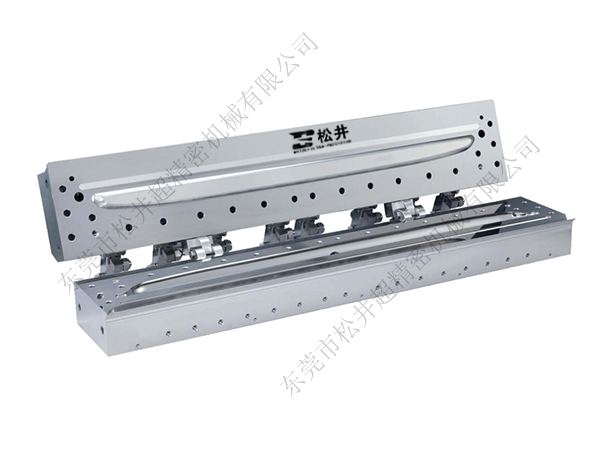
The coating die of a coater must uniformly apply adhesives or ink-like substances onto substrates such as aluminum foil, plastic film, or textile fabrics. This demands high-performance coating processes—not only requiring exceptional coating uniformity but also enabling high-speed, non-stop roll changes to maximize production efficiency. Tension control at each stage is managed by inverters, with tension sensors providing feedback for a simple yet stable control system. A PLC or synchronous controller regulates the speed of the drive roller’s inverter and simultaneously provides a line-speed reference signal for other inverters. The S350 closed-loop tension control system (using sensor-based vector control) effortlessly maintains constant tension during acceleration and deceleration, eliminating the need for additional tension rollers—thus saving space and reducing mechanical costs. High-precision control ensures highly uniform coating results. Additionally, the dual-station unwind/rewind system features pre-drive functionality, supporting high-speed, uninterrupted automatic roll changes to further boost productivity. Precise winding control also prevents “cabbage-core” defects (i.e., uneven or collapsed winding), resulting in superior roll quality.
Coating dies for coaters have also been specially designed to meet packaging requirements for unitized cargo storage, transportation, and mechanized loading/unloading. Product lines such as pallet-type coaters, top-press anti-walk coaters, and pre-stretch automatic film coaters have been developed and are widely used in industries including export logistics, food and beverage, can manufacturing, papermaking, dyes, plastics and chemicals, glass and ceramics, and mechanical/electrical castings. These systems help reduce unitization costs, improve production efficiency, prevent damage during handling, and provide dust-proofing, moisture resistance, and cleanliness protection. During operation, however, coating coaters often experience wear in transmission components—such as dryer cylinder shaft neck wear or paper roll bearing housing wear.